Testosterone



OverviewTestosterone overview
Order Testosterone Testing Kits Online
Testosterone is a sex hormone made in the testicles and adrenal glands, which is important for sexual and reproductive development. You can test your testosterone levels with a simple pin-prick blood test, to check if your levels are normal. If your levels of testosterone are too low a repeat test is recommended after 4 weeks, and a referral to a specialist may be needed if your levels continue to be low.
What is Testosterone?
Testosterone is the male sex hormone, it is found in both humans and some other animals. The testicles are primarily responsible for making testosterone in men. Women’s ovaries also make testosterone, but in very small quantities. The level and production of testosterone starts to increase, heavily, during puberty and then begins to decline after the age of 30 and over.
Testosterone is commonly associated with sex drive in men and plays a vital role in the production of sperm. Since testosterone plays a vital role in sex drive, lower levels can lead to a disinterest in sex and impotence. Testosterone can also affect bone and muscle mass; the way fat is stored in the body for men and even the amount of red blood cell production. Testosterone levels in men can also have an effect on mood. Low levels of testosterone can lead to moodiness, or feelings of depression and low self-esteem.
What Causes Low Levels of Testosterone?
Testosterone production and levels naturally taper off as a man ages and they are at their highest level of production after puberty, up until the age of 30, and as mentioned, levels gradually begin to decline. Injury to the testicles, cancer treatments such as chemotherapy and radiotherapy and some medications can negatively impact testosterone production. Chronic health conditions such as AIDS, kidney disease, alcoholism and liver cirrhosis also contribute to low levels of testosterone.
Low testosterone levels can also be directly correlated to poor diet, obesity, high cholesterol and high blood pressure. Lifestyle changes can therefore impact your level of testosterone production. Some other ranking contributing factors include excessive alcohol consumption, use of some medications, use of anabolic steroids and use of illicit drugs.
How Can I Treat Low Levels of Testosterone?
If you have abnormally low levels of testosterone due to some of the aforementioned reasons that you have attempted to control or cannot control, there are methods that can be adopted to boost levels artificially.
Tostran gel is a topical treatment that has testosterone as the active ingredient. Tostran gel is applied and rubbed onto the shoulders, stomach, thighs and upper arms. There is a vehicle that allows the hormone to penetrate the skin to allow for absorption and therefore raise the baseline testosterone levels. Following absorption symptoms linked to masculinity, body composition and sex should eventually be alleviated.
Tostran gel can be purchased from Online Mens Clinic through our online doctor service, where our doctors will carefully assess your consultation. Should the medical team see it fit that Tostran gel is an appropriate treatment for you, it will be sent out in discreet packaging to your address.
What is a good Testosterone level?
Generally, the normal total testosterone level in men is above 12 nmol/L, a borderline level is 8-12 nmol/L and a low level is <8 nmol/L. These ranges may vary slightly depending on the laboratory which performs your test.
As men get older, their testosterone levels steadily, but slowly, decrease at a rate of about 1–2% each year. On top of this, testosterone levels in men naturally vary throughout the day – they’re usually at their highest in the morning, and lowest in the late afternoon/evening.
These changes in testosterone levels usually don’t cause any problems but you might start to feel symptoms if your levels vary too much.
FAQs
How can I get tested for my testosterone level?
At Online Mens Clinic, we offer a home testosterone blood test kit, which you can use to check your total testosterone levels. Buying and using this test is a simple, convenient process:
- Place an order with us and your kit can be sent discreetly to your door..
- This test will include a blood collection kit and pre-paid envelope. Your test should arrive at your address within 2 days of your order being placed.
- You’ll need to collect a small sample of blood (using the pin-prick lancet device included) with the kit and post it off to the lab for testing. Your results will be ready within 2 – 3 days of your sample reaching the lab, and we’ll let you know when you can see them in your account with advice about the results from one of our doctors.
- Take your test in the morning between 7am and 11am, before you’ve had anything to eat or drink (except water), otherwise your test results might not be accurate. Speak to your doctor first if you have been told you should not fast or are diabetic. Do not take the test if you’re feeling unwell.
If you’re not comfortable doing a test at home, then you can schedule an appointment with your doctor. Your doctor will know the best time to do your test and will be able to check more than just your testosterone level, which could give a bigger picture of your general health.
If your test shows that you have low testosterone, it’s recommended that you repeat the test after at least 4 weeks for confirmation before making any decisions about further treatment. If a low total testosterone level is confirmed, you will need to have a complete check-up with your doctor to assess the cause and request a referral to a specialist before starting treatment.
What are the symptoms low testosterone in men?
When levels of testosterone fall too much, it can affect men both physically and psychologically. A total testosterone level considered low enough to need treatment is below 12 nmol/L. Whether you’re having symptoms and whether you wish to have children in the future are other factors in deciding if treatment is right for you or not. Treatment should only be started following a face to face review with a specialist doctor.
Some of the most common symptoms of low testosterone are:
- Reduced muscle growth
- Mood swings and irritability
- Increased body fat (weight loss treatments)
- Body hair loss
- Wrinkled skin
- Decreased muscle tone
- Lack of enthusiasm and energy
- Erectile dysfunction
- Osteoporosis
- Poor concentration and short-term memory
- Sleep difficulties
Some of the symptoms above could interfere with your daily life, so it's important to find the underlying cause and work out what can be done to resolve it.
What are the symptoms of high testosterone levels?
When levels of testosterone become too high, some of the symptoms include:


How it works
Achieve your goals in just a few simple steps
Step 1
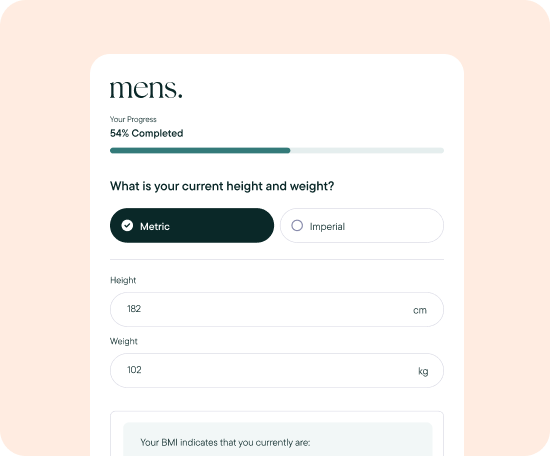
Start Free Consultation
Take the first step with a free consultation by answering a few questions to help us tailor your care.

Step 2
Review By Our Clinical Team
Based on the information you provide, our expert clinicians will develop an appropriate recommendation.

Step 3
From Prescription to Doorstep
All prescriptions undergo careful review before discreet delivery to your door
Step 4
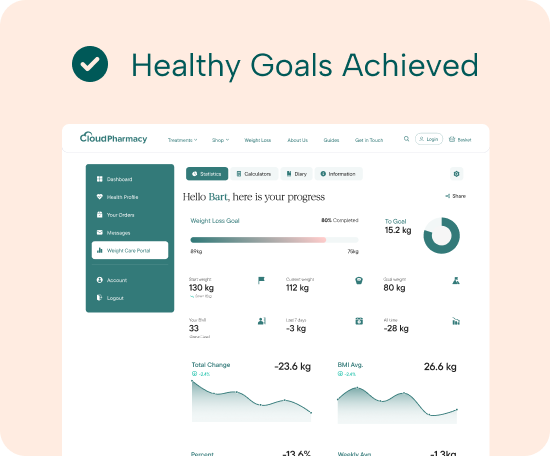
Achieve your health goals
A personalised programme designed around you to deliver tangible, lasting outcomes