
Your Hair, Your Terms
Clinically backed hair loss solutions
- Science-backed solutions, delivered discreetly to your door
- Regrow in as few as 3-6 months
- Backed by expert men’s health professionals

As one of the UK’s foremost men’s health platforms, we work with more than 50,000 members to address hormone health, sexual performance, metabolic care, and hair loss.

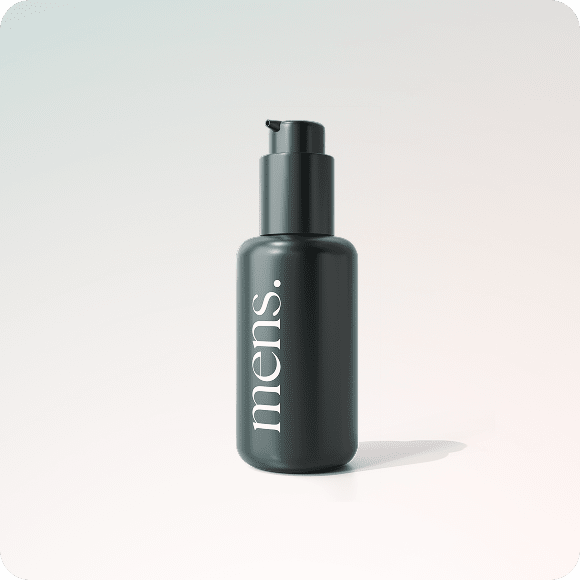

Treatments for all types of hair loss
Hair loss is normal and treatable
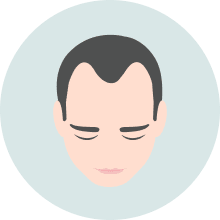
Receding hairline
Reverse follicle shrinkage and bring back a fuller, younger-looking hairline
Get started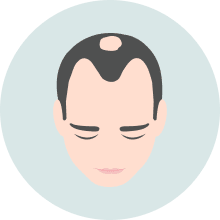
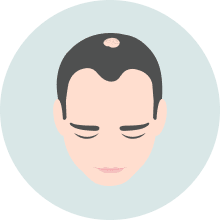
Overall thinning
Daily finasteride or minoxidil helps slow thinning and promotes thicker, healthier hair
Get startedTransformational results
Clinically-proven treatments, backed by science and results
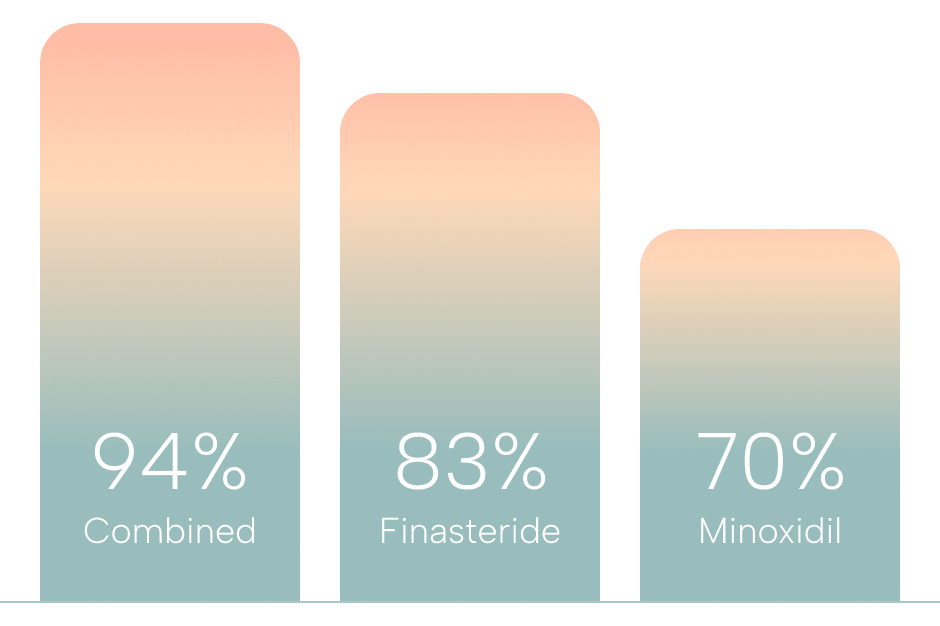
Treatment Effectiveness
Finasteride may halt male pattern baldness in 83% of men, while minoxidil helps 70% see noticeable improvement.
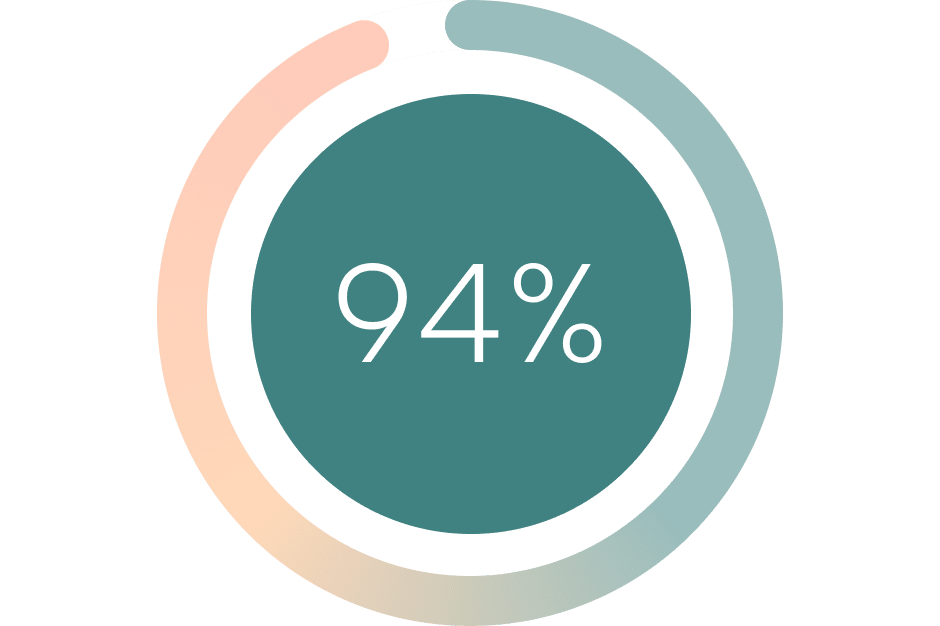
Combined Treatments
Proven to be the most effective: Combining finasteride and minoxidil delivers the most powerful results, improving hair loss in 94% of men.
Verified customer reviews
Thousands of people in the UK trust Mens Online Clinic to deliver their medication
How hair loss treatments work
Discover how clinically proven hair loss treatments treat the causes of male pattern baldness
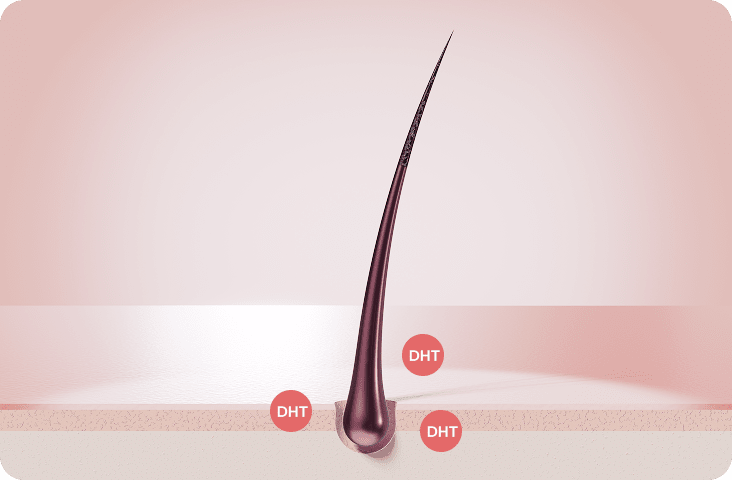
Prevent Hair Loss
By stopping testosterone from converting into DHT, finasteride protects hair follicles and promotes noticeable regrowth in 3–6 months.
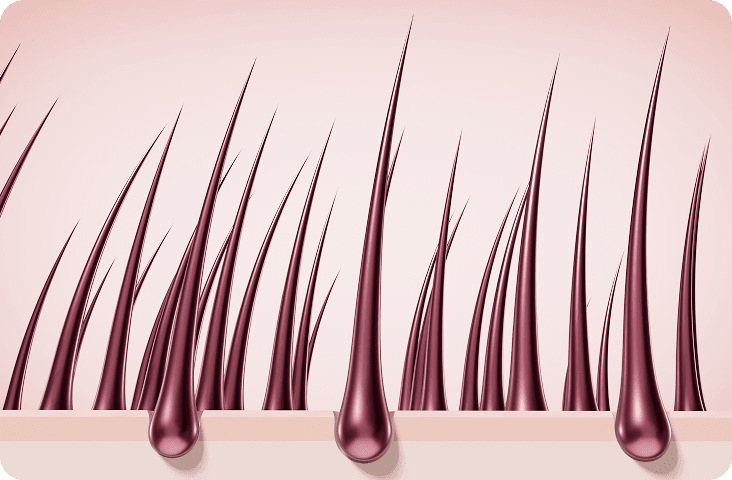
Promote Regrowth
Minoxidil improves circulation to hair follicles, driving regrowth by extending growth time and reducing the resting phase.
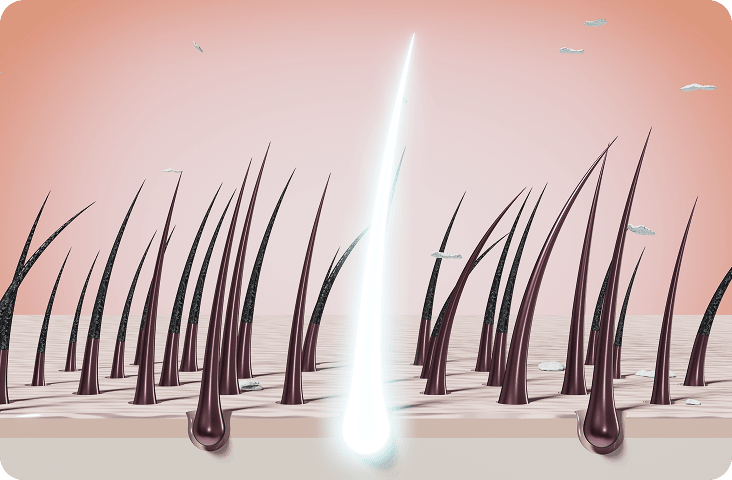
Better Together
Clinical studies demonstrate improved outcomes when finasteride and minoxidil are used together.
What can you expect?
Personalised treatment begins online and ends with discreet delivery, backed by clinical oversight at every step.
Step 1
Start Your Journey
Complete a quick, private assessment to establish your needs and goals. From there, choose a tailored treatment plan designed to deliver real results.
Step 2
Complete Assessment
An experienced clinician reviews your assessment to ensure your treatment is safe, effective, and appropriate for your health profile.
Step 3
Receive Your Medication
Following clinical approval, our pharmacists prepare your medication for discreet, secure home delivery.
A fully qualified team
Our experienced pharmacists are all registered with the General Pharmaceutical Council in the UK.




Everything you need to know

Medically reviewed on April 2nd, 2025
Overview
Erectile dysfunction (ED) is the inability to achieve and sustain an erection long enough to have sex. You may achieve an erection, but not be able to sustain long enough to reach ejaculation. You may develop an erection that isn’t firm enough for sexual activity. Or you may just not be able to get it up at all.
While it’s a hugely frustrating condition, you’re not the only person to have erections affect their sex life. As many as 4.3 million men across the UK experience this common sexual dysfunction. Luckily, there is a range of treatments available to combat ED.
The Causes of MPB and Other Hair Loss
There are many potential causes of erectile dysfunction – from underlying medical conditions to unhealthy lifestyle habits, from psychological causes to hormonal changes. Alcohol abuse and smoking affect your erections, too. Erections are the result of complex internal processes – and your sensitive parts are not immune to any wider health problems that you may have.
The most common causes of ED are in your vascular system. When blood can’t flow easily around the body – due to high cholesterol, high blood pressure, cardiovascular disease, or heart disease – enough of it won’t get to where it’s needed. As a result, you won’t be able to achieve a fully firm erection.
However, other causes originate elsewhere. Diabetes, for example, can cause ED, with rates among diabetics potentially as high as 75%. It is thought to be caused by nerve and blood vessel damage, the result of chronic issues with high blood sugar levels.
Meanwhile, men who watch a lot of porn are at risk, too. It’s known as porn-induced erectile dysfunction. It’s thought that pornography can give men unrealistic expectations of what sex is – influencing their ideas of intimacy, sexual performance, and their partners’ bodies. As a result, those who habitually satisfy themselves through porn can struggle to get aroused in real sexual encounters.
ED can also be caused by low testosterone, prostate cancer, kidney disease, Parkinson’s disease, and Peyronie’s disease. Meanwhile, relationship problems, abuse of recreational drugs, and mental health problems including low self esteem can also contribute.
Is my hair loss treatable?
There are many potential causes of erectile dysfunction – from underlying medical conditions to unhealthy lifestyle habits, from psychological causes to hormonal changes. Alcohol abuse and smoking affect your erections, too. Erections are the result of complex internal processes – and your sensitive parts are not immune to any wider health problems that you may have.
The most common causes of ED are in your vascular system. When blood can’t flow easily around the body – due to high cholesterol, high blood pressure, cardiovascular disease, or heart disease – enough of it won’t get to where it’s needed. As a result, you won’t be able to achieve a fully firm erection.
However, other causes originate elsewhere. Diabetes, for example, can cause ED, with rates among diabetics potentially as high as 75%. It is thought to be caused by nerve and blood vessel damage, the result of chronic issues with high blood sugar levels.
Meanwhile, men who watch a lot of porn are at risk, too. It’s known as porn-induced erectile dysfunction. It’s thought that pornography can give men unrealistic expectations of what sex is – influencing their ideas of intimacy, sexual performance, and their partners’ bodies. As a result, those who habitually satisfy themselves through porn can struggle to get aroused in real sexual encounters.
ED can also be caused by low testosterone, prostate cancer, kidney disease, Parkinson’s disease, and Peyronie’s disease. Meanwhile, relationship problems, abuse of recreational drugs, and mental health problems including low self esteem can also contribute.